Expert Tips to restoring your vehicle's appearance and performance
Expert Accident Repair Solutions to Restore Your Car's Integrity
Quality collision repair services serve as foundational in restoring a automobile's structural reliability following an traffic incident. Veteran specialists assess damage carefully, verifying protective mechanisms function as designed. Deploying technical apparatus and superior supplies, they adhere to manufacturer specifications to forestall subsequent problems. However, not all service centers supply the same extent of knowledge. Understanding key factors can establish meaningful impact in the outcome. What factors should one consider when deciding upon a restoration service center?
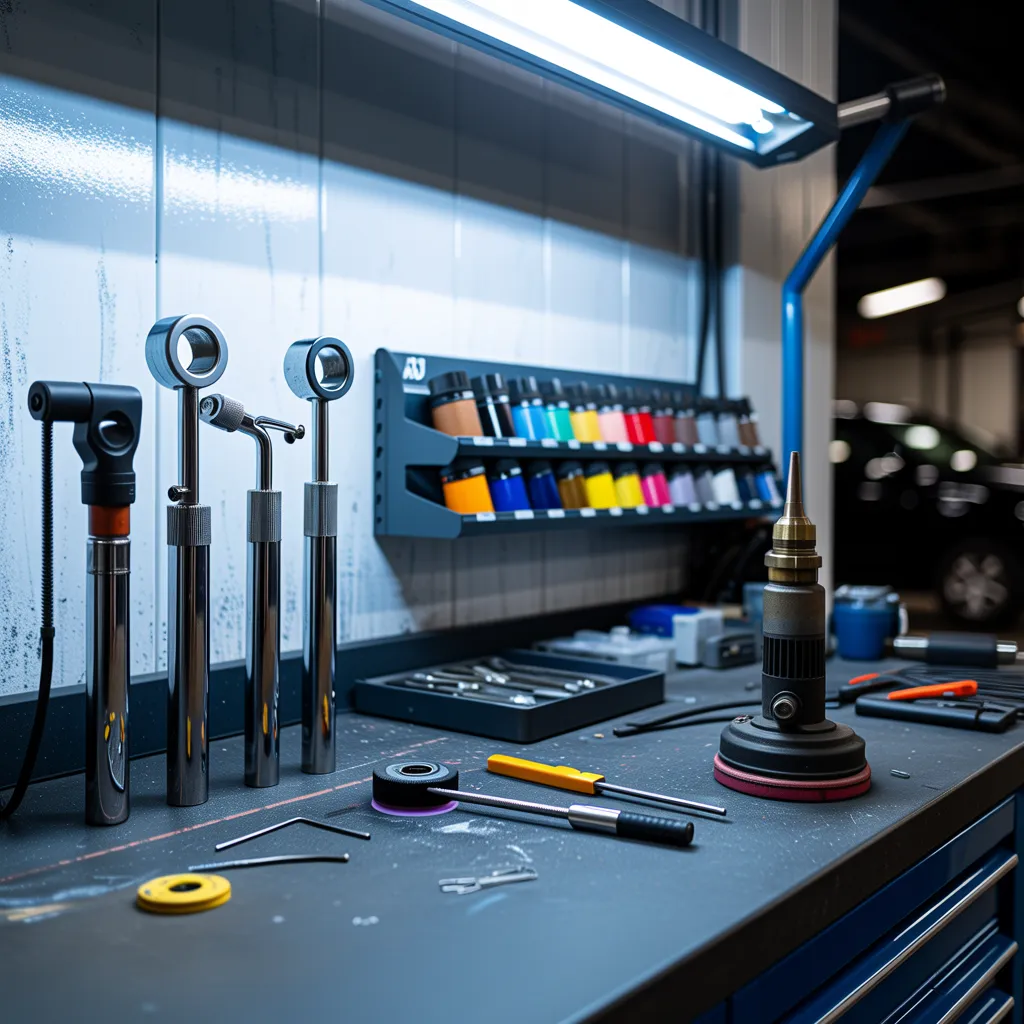
The Value of Collision Repair Services
When a vehicle sustains damage from a crash, the importance of collision repair options becomes apparent. These options play a crucial part in restoring a car's protection and functionality. Harm, regardless of whether foundational or cosmetic, can compromise the car's integrity, posing risks to the driver and occupants. Thorough repair ensures that all protective systems, such as air cushions and impact absorbers, function as intended.
Additionally, timely collision repair can avoid further degradation of the car. Postponing repair work may lead to corrosion, alignment problems, or additional complications that can increase repair costs and reduce the vehicle's resale worth. Furthermore, professional damage repair specialists employ specialized tools and techniques to meet manufacturer requirements, making certain that the car achieves its factory state. Overall, choosing expert damage restoration not only enhances safety but also preserves the vehicle's durability and functionality, making it an crucial action after any collision.
Experienced Collision Repair Technicians and Their Impact
Skilled collision repair specialists are essential for guaranteeing that vehicles are restored to their optimal state after an accident. Their knowledge transcends mere cosmetic fixes; they possess the understanding to assess structural damage and execute the necessary repairs to preserve performance and security. Experienced in the latest technologies and repair techniques, these experts can accurately diagnose intricate problems that may not be readily apparent.
Moreover, skilled technicians have access to premium parts and materials that satisfy industry standards, ensuring longevity and reliability in repairs. Their knowledge with various vehicle makes and models allows them to customize restoration to every situation, improving the vehicle's performance post-collision.
Additionally, their skills aid in preserving the vehicle's resale value, making expert collision repair an investment rather than just a necessity. In an industry where precision is essential, the role of expert collision repair technicians cannot be understated.
What to Anticipate During Collision Repair
During collision repair, the first phase is a preliminary damage assessment to determine all damaged sections. Following this evaluation, a detailed overview of the restoration process is provided to the car owner. Comprehending these steps helps establish clear projections for the schedule and results of the repair.
Preliminary Damage Analysis
Assessing the initial damage is a important part of the collision repair procedure. This appraisal usually starts with a detailed visual inspection conducted by qualified technicians, who check the exterior and interior of the vehicle for visible signs of impact. They evaluate areas such as the frame, body panels, and mechanical components to detect both obvious and concealed damage. Advanced diagnostic tools might be used to further assess structural integrity and alignment issues. connected information Photographs are commonly taken to record the vehicle's condition prior to repairs. After this evaluation, technicians prepare a detailed report listing necessary repairs and related costs. This thorough assessment ensures that the repair process is well-informed and efficient, laying the groundwork for restoring the vehicle's integrity.
Repair Process Overview
The crash restoration procedure unfolds in several important phases, each intended to restore the vehicle to its original condition. First, technicians take apart damaged components to evaluate the scope of restoration needed. This is followed by structural work, where any bent frames or panels are realigned or replaced. Next, the vehicle undergoes bodywork, such as sanding, filling, and priming surfaces to ready for painting. Once the body is fixed, the painting process begins, ensuring color matching and a smooth finish. Lastly, technicians put back together the vehicle, replacing parts and conducting thorough quality inspections. Throughout this procedure, contact with the vehicle owner is maintained to provide updates and guarantee satisfaction with the repairs. In the end, this systematic approach guarantees the vehicle's safety and integrity.
Essential Warning Signs Your Car Requires Collision Repair?
How can one identify when a vehicle needs urgent collision service? Several critical signs show immediate attention is necessary. Initially, obvious harm such as dents, scratches, or broken parts may compromise the car's structural integrity. Furthermore, unusual noises like squealing or rattling can indicate underlying issues. A steering wheel out of alignment or trouble controlling the car often points to structural damage, requiring prompt repair.
Furthermore, leaking fluids beneath the car may suggest major issues with critical components, including brakes or transmission. Alert indicators on the dashboard, particularly those related to safety systems, should never be ignored. Finally, if the vehicle's performance has noticeably deteriorated, it may be appropriate to schedule an inspection. Addressing these signs promptly can prevent further damage and guarantee the vehicle remains safe to drive.
Selecting the Best Collision Repair Shop for You
Recognizing the need for collision repair is only the first step; finding the right shop to address those issues is equally important. Potential customers should begin their search by considering shops with established standing, verified customer reviews, and appropriate certifications. Recommendations from friends or family can also provide helpful insights.
After a selection is established, visiting the establishments can help determine their quality and hygiene standards. It is important to inquire into the types of repairs offered, the qualifications of the technicians, and the available warranties. Clear cost structures and a comprehensive estimate further indicate a dependable shop.
Furthermore, verifying partnerships with major insurance companies can streamline the claims process. Ultimately, the best collision repair shop should not only repair the vehicle's integrity but also build trust through effective communication and customer service. Making an informed choice can greatly enhance the repair experience.
Strategies for Looking after Your Vehicle After Repair
Keeping a vehicle in good condition after collision repair is essential for ensuring its longevity and performance. After undergoing repairs, it is important to follow a regular maintenance schedule, which includes oil changes, tire rotations, and brake inspections. This routine care helps protect the integrity of the repaired areas and promotes optimal functioning.
Additionally, motorists ought to avoid severe driving situations immediately following repairs. Gentle driving allows the vehicle's components to settle properly and reduces the chance of additional harm. Regular washing and waxing also play a significant role in protecting the newly painted surfaces from environmental factors.
In conclusion, monitoring the vehicle for any unusual noises or performance issues is crucial. Addressing promptly any concerns with a qualified technician can avert minor problems from worsening. By sticking to these recommendations, vehicle owners can copyright the integrity of their maintenance and enhance the overall durability of their vehicle.
Frequently Asked Questions
Will My Insurance Reimburse the Entire Collision Repair Costs?
Insurance protection for crash repair expenses varies based on the plan and deductible. Typically, collision and comprehensive protection may pay for most costs, but it's crucial to examine the particular details and provisions of the insurance policy.
What is the timeframe of a common collision repair procedure?
A routine collision repair may require anywhere from a few days to several weeks, depending on the extent of the damage, the availability of required parts, and the workload of the facility involved.
Can I Select My Own Service Center?
Yes, people can select their own repair shop for crash repairs. However, they should confirm if their coverage plan permits this option, as some insurers may have partner shops for expense reduction and quality control.
What Kind of Warranties Can You Expect on Collision Repairs?
Warranties for collision repairs typically vary across shops, generally including workmanship and parts for a particular length of time. Customers should ask about specific warranty details to ensure adequate protection and peace of mind after repairs are finished.
Can you secure temporary vehicles throughout the repair work is taking place?
Many collision repair shops offer rental cars while the repair work. This service often depends on the insurance coverage and specific facility guidelines, ensuring customers have transportation while their car is being restored.